S
Self-Awareness
I notice what I feel and what my body is telling me.
Children's feelings matter.
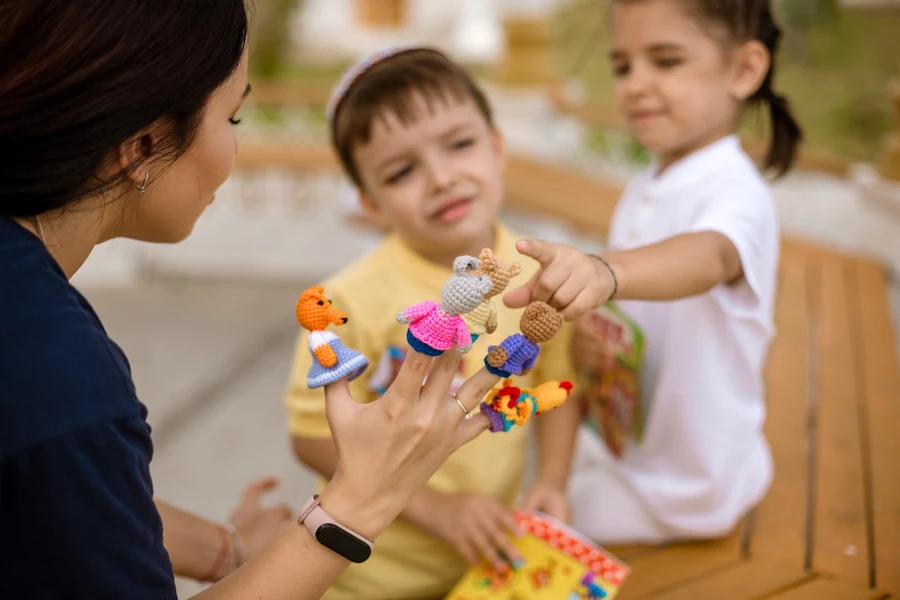
For children ages 3–6, SHINE brings emotional learning into the moments children already live every day: arriving, separating, waiting, joining a game, making a mistake, getting upset and trying again.
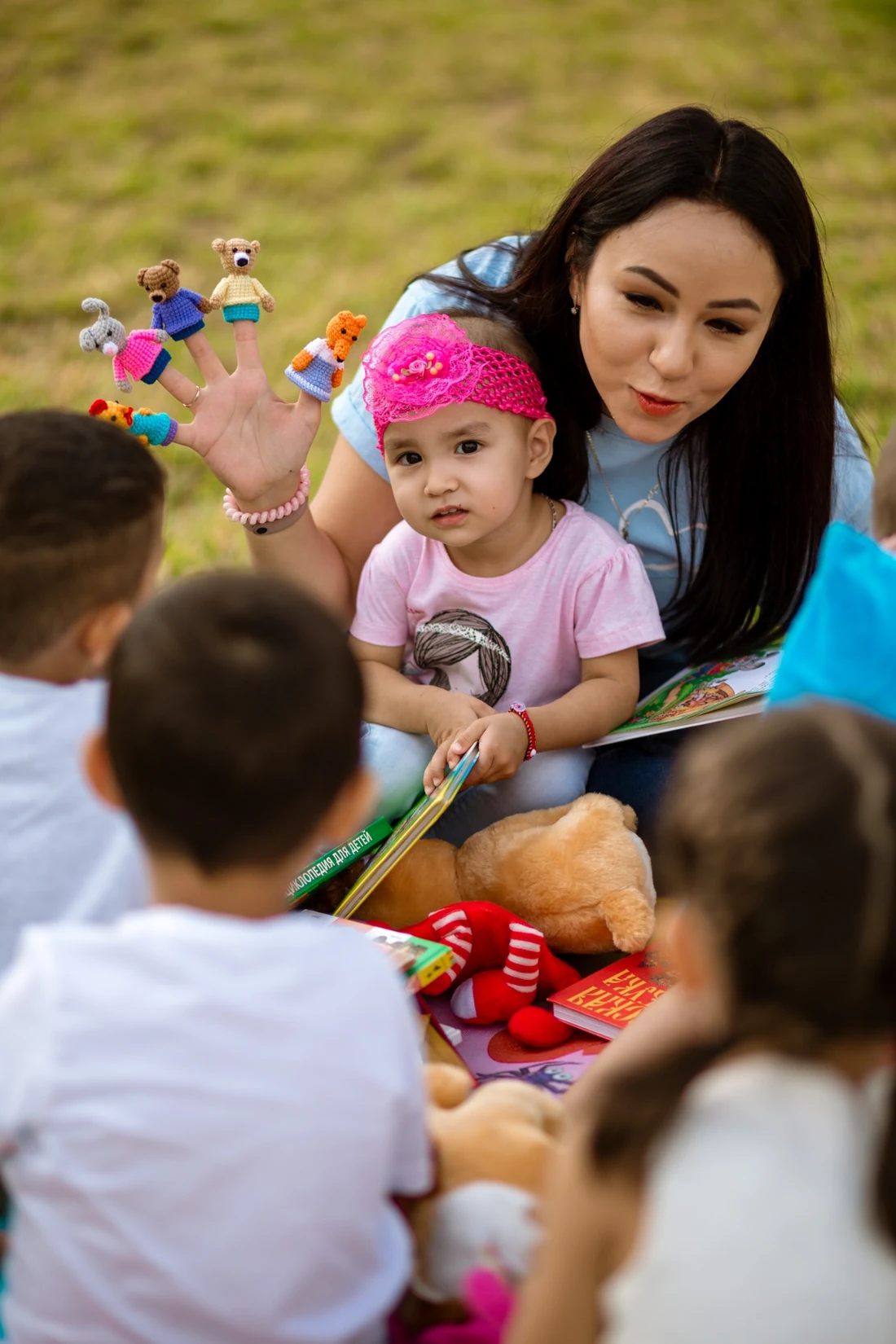
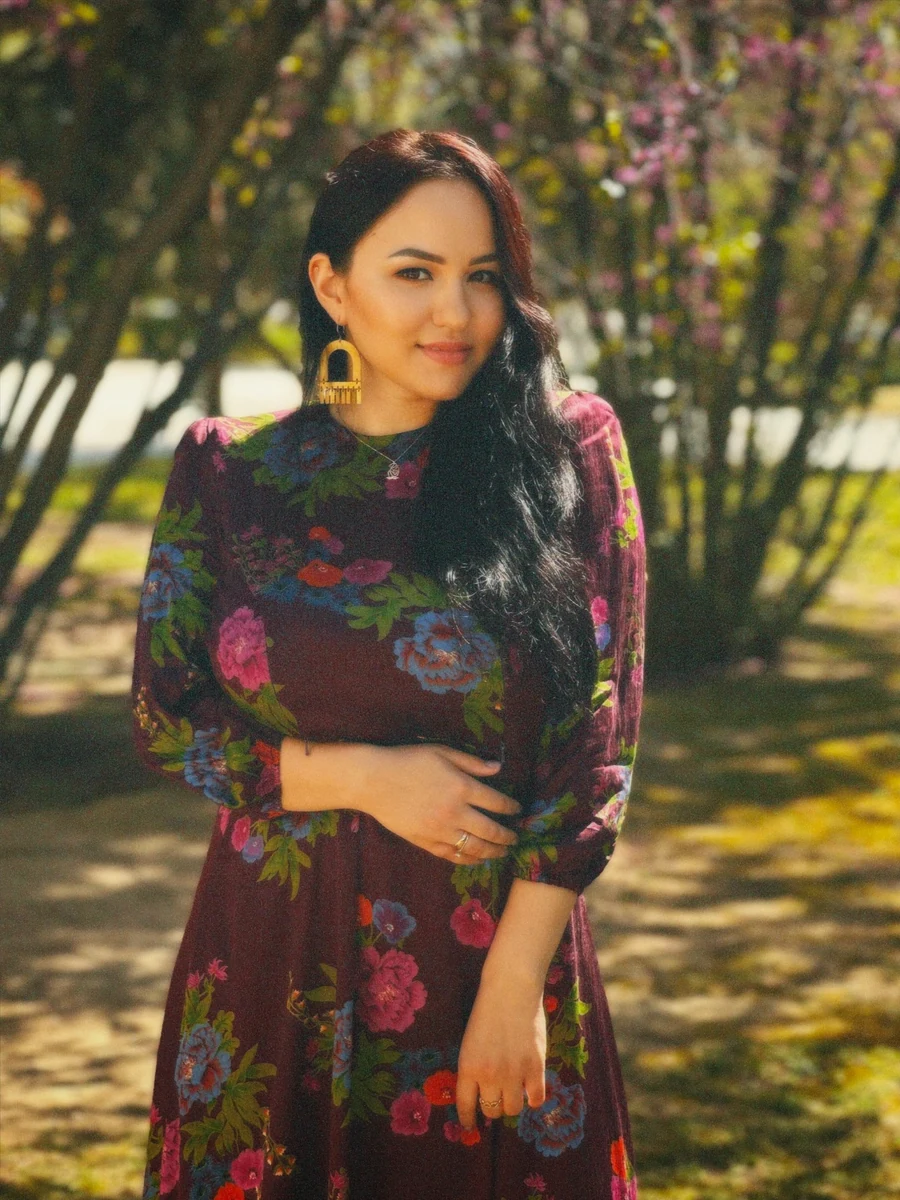
I founded SuperKids in 2020. What began as a small idea grew into a team and a learning community that has served more than 300 children. Today, in Brooklyn, I work with children in a classroom and one to one as a Special Education Itinerant Teacher.
The areas overlap. A child may need support in more than one area during the same moment, and participation may happen through words, pictures, gestures, movement, augmentative and alternative communication (AAC) or a home language.
I notice what I feel and what my body is telling me.
I use support and find a way to settle.
I connect, listen and notice other people.
I work through waiting, changes and conflict.
I try again, reconnect and know I belong.
This is not a script to follow perfectly. It is a reminder to slow down and respond with intention.
Pause. Watch the child's face, body, voice and actions. Do not require eye contact.
Offer a feeling word gently. “You might be worried. Is that how it feels?” Accept another answer.
Offer one safe next step. “Would you like me beside you or a little space?”
After the hard moment, reconnect. If someone was hurt, help children check in and make things safer.
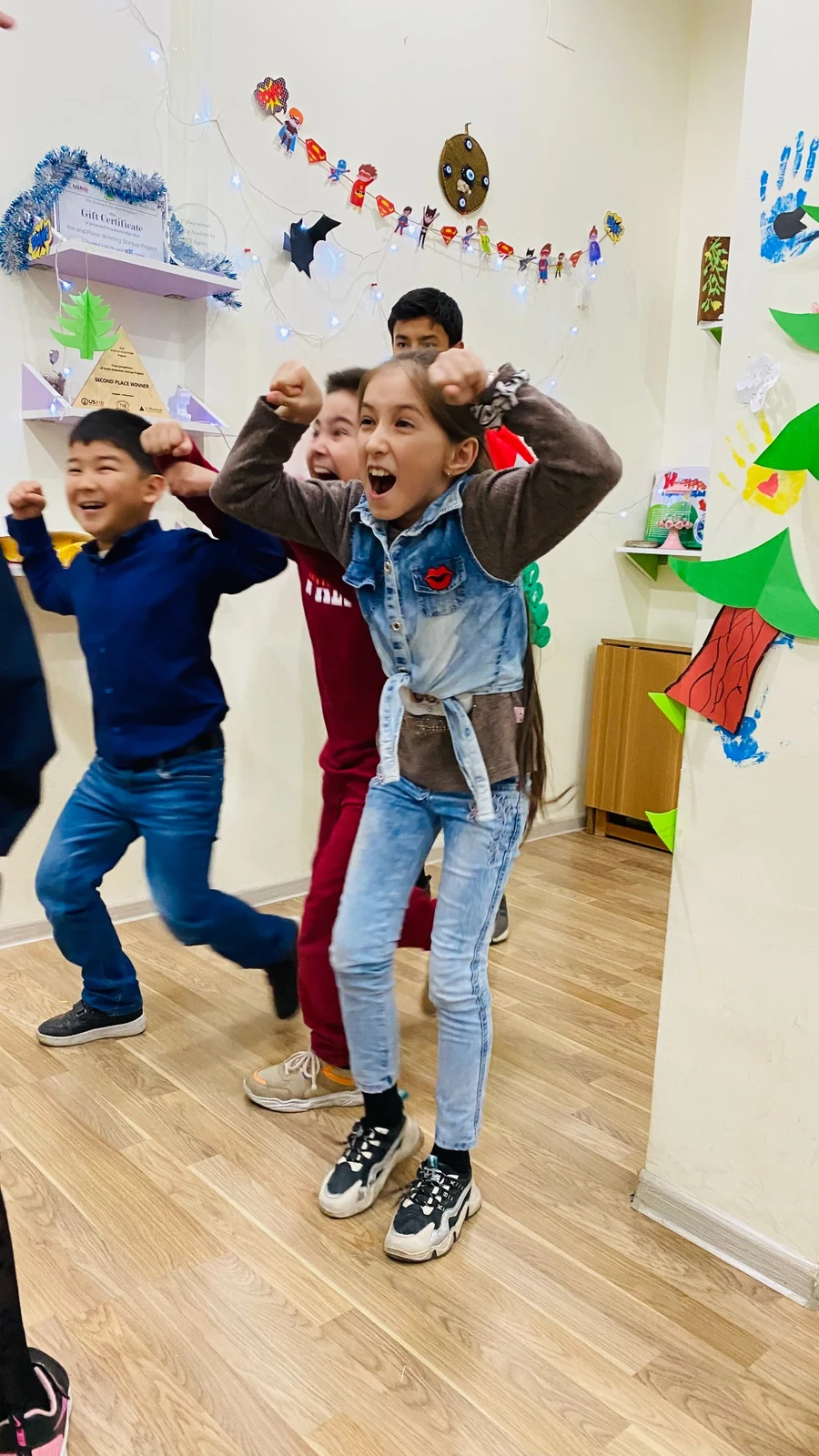
These photographs are not labels or diagnoses. They are invitations to slow down and ask what each child may be communicating.
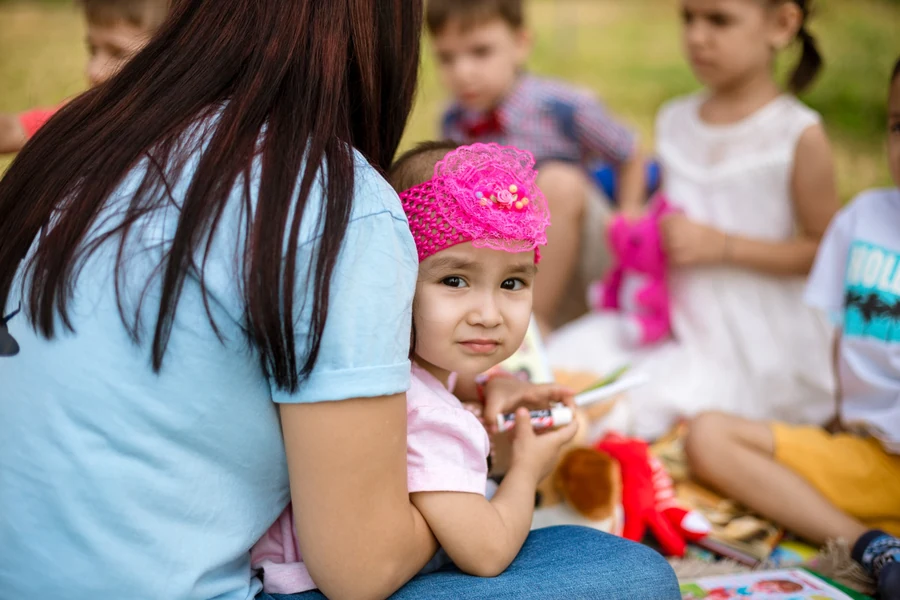
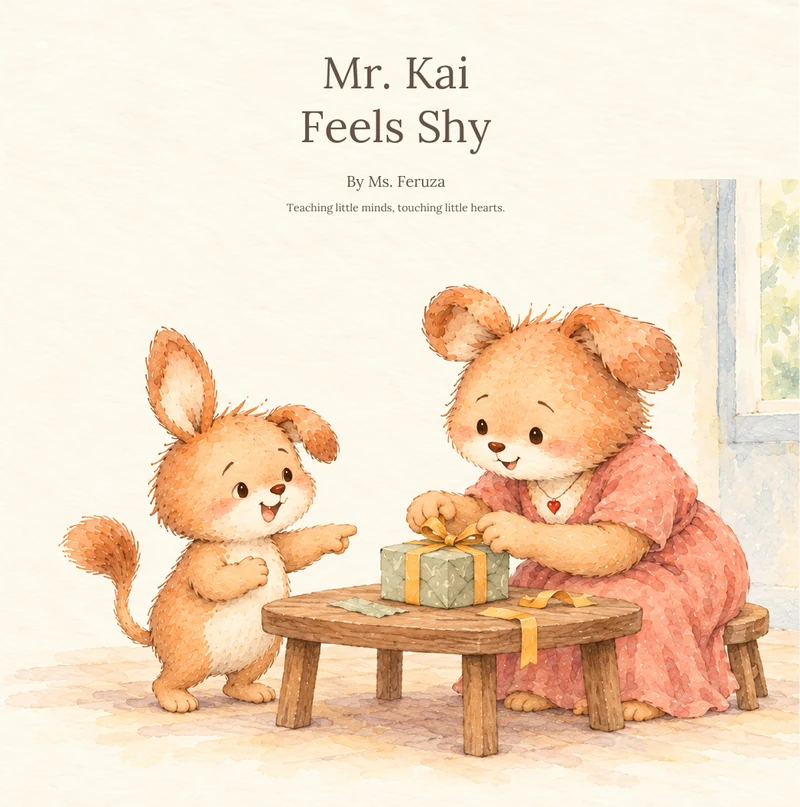
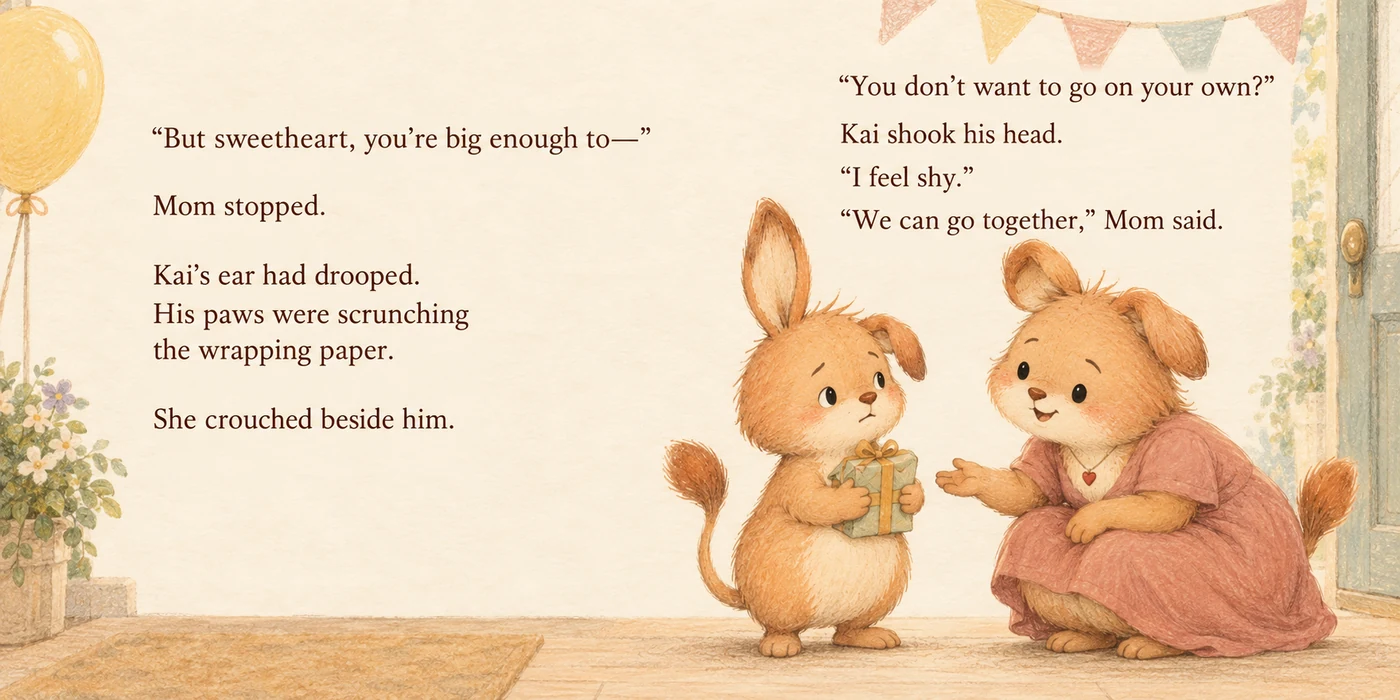
The first book in Mr. Kai's Big Feelings turns an emotional moment into a conversation children and adults can share. Publication is currently in progress.
SHINE is an educational framework under development. It is not a diagnostic or clinical assessment. Photographs are used with permission.